Art Nouveau in Mallorca: A Hidden Architectural Heritage
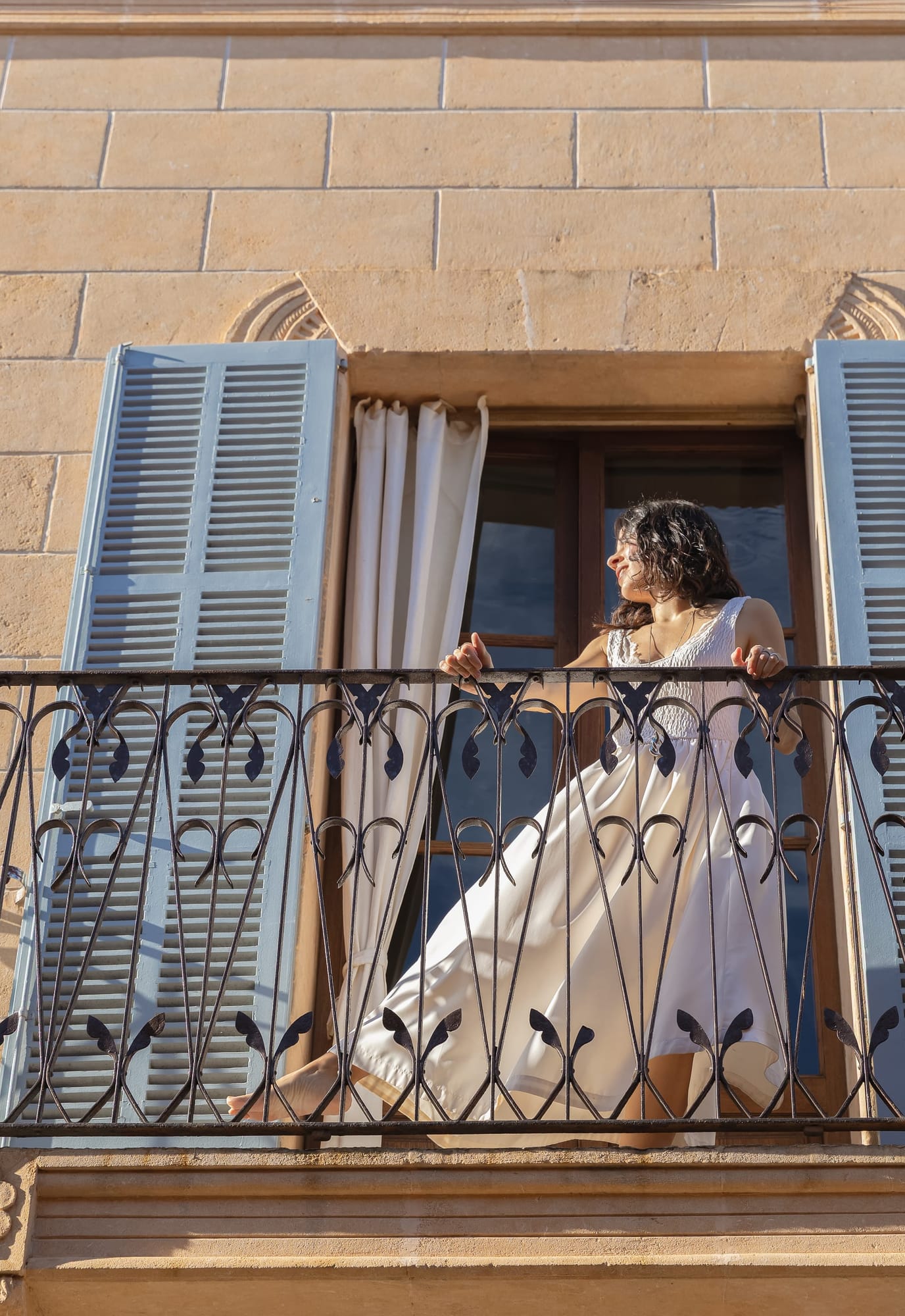
When most people think of Mallorca, they picture turquoise coves, almond groves, and honey-stone fincas scattered across rolling countryside. But hidden within the island's towns — particularly Palma, Sóller, and the villages of the interior — lies a remarkable and often overlooked architectural legacy: Art Nouveau.
The Indianos Connection
Mallorca's Art Nouveau story begins not on the island, but across the Atlantic. In the late 19th and early 20th centuries, many Mallorcan families emigrated to Cuba and other parts of the Americas in search of fortune. Those who returned — known as indianos — brought back not only wealth but also a taste for the ornate, flowing aesthetics that were sweeping through Barcelona and the rest of Europe.
These returning families built grand townhouses in their home villages, commissioning local craftsmen to incorporate the decorative language of Modernisme — Catalonia's own interpretation of Art Nouveau. The result was a uniquely Mallorcan fusion: Mediterranean stone and proportions dressed in sinuous ironwork, colourful hydraulic tiles, and handcrafted wooden doors with organic motifs.
Can Forteza-Rey and Palma's Modernist Trail
In Palma, the most visible example is the Can Forteza-Rey building on Plaça del Marquès del Palmer. Its façade — alive with ceramic fragments, dragon sculptures, and wrought-iron balconies — draws direct inspiration from Gaudí's work in Barcelona. But Palma's Art Nouveau heritage extends far beyond this single landmark. Walking through the old town, attentive eyes will spot dozens of buildings with Modernist details: curved lintels, floral ironwork, and tilework that transforms everyday doorways into small works of art.
The Village Gems
Perhaps even more interesting are the Art Nouveau houses found in Mallorca's smaller towns. In places like Campos, Sóller, and Felanitx, returning indianos built homes that combined the practical layouts of traditional Mallorcan townhouses with Art Nouveau decorative flourishes.
These houses typically feature:
- Handcrafted Art Nouveau doors with flowing organic lines
- Wrought-iron railings and balconies with sinuous curves
- Colourful hydraulic tiles in geometric and floral patterns
- High ceilings (often 3.5 metres or more) with ornate plasterwork
- Interior patios that blend Mediterranean outdoor living with decorative elegance
One such house is Can Pedrera in Campos, built in 1914 by the Mas Julià family after their return from Cuba. Its Art Nouveau doors swing on their original hinges, the ironwork railings maintain the same grace they had over a century ago, and the ground floor's hydraulic tiles unfold in geometric patterns preserved through decades of daily life.
Why These Houses Matter
Art Nouveau buildings in Mallorca represent more than aesthetic beauty. They are documents of a pivotal moment in the island's history — when global trade, emigration, and cultural exchange transformed quiet agricultural villages into places of surprising cosmopolitan sophistication.
Today, these houses face an uncertain future. Some have been lovingly restored, while others slowly deteriorate behind closed shutters. For those who understand their significance, they represent perhaps the most compelling opportunity in Mallorcan real estate: the chance to own and preserve a piece of living history, in a home where every tile and every hinge tells a story.
Preserving the Legacy
At Kalypsó, we believe that the best way to preserve heritage architecture is not to freeze it in time, but to help it find its next chapter. A house like Can Pedrera doesn't need a museum — it needs a family. Someone who will open the shutters, tend the patio garden, and let the Art Nouveau doors swing on their original hinges for another century.
That's what design-led regenerative real estate means to us: finding the right person for the right house, and letting the story continue.